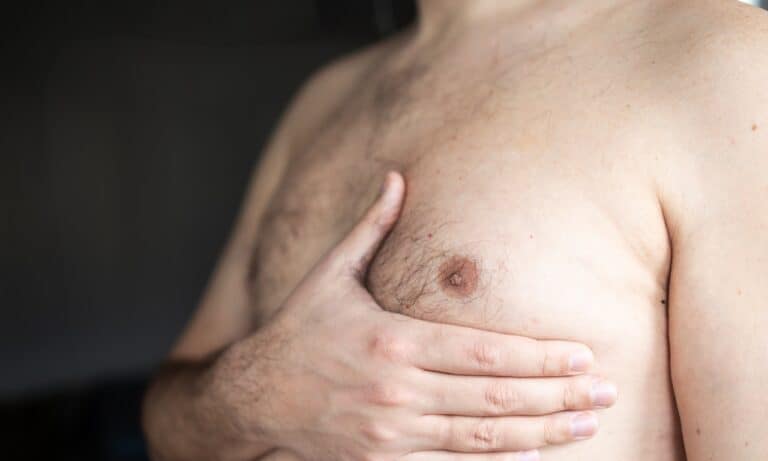
At some point, many men notice changes in the shape or appearance of their chest. This can lead to confusion or uncertainty about whether they are seeing normal fat tissue or a condition that may require medical attention. For those who want to achieve the appearance of a flatter, firmer chest, understanding the difference between gynecomastia and chest fat is an important first step.
At the Palm Beach Gynecomastia Center, our team guides patients through every part of the evaluation and treatment process. Recognizing the distinctions between chest fat and glandular development can lead to more effective solutions, including tailored treatment plans and clear expectations. In this article, we will walk you through everything you need to know about gynecomastia versus chest fat, from causes and symptoms to treatment options and recovery advice.
Key Takeaways

What Is Gynecomastia?
Gynecomastia refers to an increase in glandular breast tissue in males. This condition develops when a man has extra breast gland growth rather than simply an accumulation of fat in the chest area.
The Role of Hormones
Hormonal fluctuations often drive changes in male breast tissue. Estrogen, the hormone responsible for female sexual characteristics, can rise relative to testosterone. Increased estrogen stimulates glandular tissue growth in males, contributing to gynecomastia.
Certain life stages or medical conditions may increase hormone imbalances. Puberty, aging, medication use, thyroid issues, or kidney and liver diseases may contribute to these changes. At our Palm Beach office, we often see adolescent boys or older men with gynecomastia concerns related to these shifts.
Prevalence and Impact
Gynecomastia is quite common. Studies estimate up to 65 percent of men will experience it at some point in life. It can appear on one side (unilateral) or both sides (bilateral) and affects all age groups, though it appears most frequently in teens and older men.
Some patients experience tenderness or sensitivity, especially in the early stages. For others, the main effect is cosmetic. If you feel self-conscious or have physical symptoms, learning more about the condition is often the first step toward feeling better.
What is Chest Fat
Not every enlarged male chest points to a hormone-driven condition. Chest fat, also known as pseudogynecomastia, occurs because of overall fat accumulation rather than glandular growth.
What Causes Chest Fat Development?
Lifestyle and genetic factors play a significant role in excess chest fat. For most men, a higher body mass index (BMI) strongly increases the chance of developing more fat in the chest area.
- Genetics: Some men store fat in the chest area more than others.
- Diet and inactivity: High-calorie intake and low activity levels promote fat accumulation.
- Age: Metabolic rate slows with age, making it easier to gain fat.
- Other health conditions: Metabolic disorders, certain medications, or low testosterone may influence fat distribution.
Unlike gynecomastia, chest fat rarely produces tenderness or hard masses. Instead, it creates a soft, sometimes sagging appearance across the chest.
Why Distinguishing the Two Matters
Identifying the primary issue, glandular growth versus fat, shapes the available treatment options and long-term strategies. While both problems affect chest appearance, each demands a different approach.
Attempting to treat gynecomastia as chest fat with diet and exercise alone leads to disappointment. On the other hand, gland removal is unnecessary for those with purely fatty tissue.
How to Tell the Difference
Many men notice increased fullness in the chest but feel unsure about the underlying cause. Differentiating gynecomastia and chest fat is a crucial process.
Key Physical Differences
- Firmness: Gynecomastia often feels rubbery or firm, particularly under the nipple.
- Location: Gland tissue usually forms a disc-shaped mass beneath the areola, while fat distributes more diffusely.
- Tenderness: Gynecomastia sometimes causes soreness or nipple sensitivity.
- Symmetry: Gynecomastia can appear unilaterally, while fat tends to affect both sides equally.
- Movement: Chest fat moves more freely and compresses easily, and gland tissue maintains its shape even under pressure.
If you are unsure, palpating the area lightly helps you sense whether tissue feels soft and compressible or firmer and more fixed beneath the nipple.
Limitations of Self-Assessment
While self-assessment provides some clues, only a medical evaluation delivers a definitive answer. Our surgeon at the Palm Beach Gynecomastia Center uses a combination of physical examination, medical history, and sometimes imaging tests.
Ultrasound, mammogram, or bloodwork may provide additional detail, especially if hormonal or glandular causes are suspected.

Common Causes of Gynecomastia and Chest Fat
Identifying the root cause lays the groundwork for effective treatment. Both conditions arise from different mechanisms.
Most Frequent Gynecomastia Triggers
- Puberty: Hormonal surges in teenagers trigger temporary glandular growth in many boys.
- Medications: Drugs for heart disease, ulcers, prostate conditions, certain anti-anxiety agents, and anabolic steroids can disrupt hormone balance.
- Medical Conditions: Low testosterone, pituitary or thyroid problems, liver diseases, tumors, or chronic kidney disorders sometimes alter hormone ratios.
- Aging: Natural decline in testosterone with age leads to a higher proportion of estrogen.
- Substance Use: Excess alcohol, marijuana, or other recreational drugs commonly impact hormone pathways.
Many cases resolve as hormones rebalance. For persistent or distressing gynecomastia, specialized medical or surgical evaluation may be warranted.
Typical Reasons for Chest Fat Accumulation
Excess chest fat often reflects overall weight gain rather than a specific glandular disorder. The most common drivers include:
- Caloric Surplus: Consuming more calories than you burn leads to fat storage everywhere, including the chest.
- Sedentary Habits: Physical inactivity slows metabolism, encouraging fat buildup.
- Hormonal Changes: Low testosterone or age-related shifts can promote fat accumulation.
- Nutrition Choices: High levels of processed foods, sugar, or unhealthy fats increase chest fat risk.
Chest fat reduction usually follows broader lifestyle improvements. Some men with mild pseudogynecomastia experience a dramatic response to weight loss, while others need more targeted intervention.
What to Expect in a Medical Evaluation
A thorough assessment by a qualified physician is essential to distinguish gynecomastia from chest fat. At our Palm Beach office, diagnosis blends observation, palpation, history, and tests.
Steps in the Diagnostic Process
Our surgeon typically follows a detailed process to ensure accuracy.
1. Medical History
We begin with a detailed conversation about your personal and family medical background, including:
- Duration and pattern of chest changes
- History of weight fluctuations
- Medication or supplement usage
- Any history of endocrine or liver disorders
- Substance use (including over-the-counter or recreational drugs)
2. Physical Examination
Our surgeon performs a targeted chest exam, assessing:
- Location of excess tissue
- Texture and firmness of the mass
- Size and symmetry
- Presence of tenderness or skin changes
3. Diagnostic Tests
Sometimes, additional studies clarify the diagnosis:
- Ultrasound: This visualizes differences between fat and glandular tissue.
- Mammogram: Rarely needed, but useful if cancer or unusual findings are a concern.
- Blood Tests: These help spot hormone dysfunction, liver, or thyroid problems.
Our team only performs advanced testing when history and examination raise red flags or if the diagnosis remains unclear.
Treatment Options for Gynecomastia and Chest Fat
Effective treatment starts with a clear diagnosis. Treatment paths diverge depending on whether excess tissue is primarily glandular or fatty.
Non-Surgical Approaches
For chest fat or very mild glandular tissue, you may consider non-surgical measures first.
Diet and Exercise
Improvements in diet and increased physical activity can significantly lower body fat percentage. Cardiovascular exercise combined with strength training, especially chest-focused workouts, often reduces fatty tissue and improves chest definition. Targeted fat loss cannot be achieved through exercise alone, but overall reduction supports a flatter upper body.
Medication Adjustments
If you are taking a medication known to trigger gynecomastia, our surgical team may recommend discussing alternatives with your prescribing doctor. Never discontinue a prescription without medical advice.
Hormonal Treatment
A limited number of patients with gynecomastia benefit from medications that address the underlying hormone imbalance. Our doctor typically reserves this option for those with recent-onset symptoms or very specific endocrine issues.
Surgical Solutions
Most significant gynecomastia will not resolve with diet or medications alone. Surgery allows direct removal of glandular breast tissue and sometimes excess skin or fat.
Male Breast Reduction Surgery
Our surgeon at the Palm Beach Gynecomastia Center offers advanced surgical techniques to restore a flatter, firmer chest.
- Liposuction: This removes excess fatty tissue through small incisions. It works best when most of the extra tissue is fat rather than glandular tissue.
- Excision: This involves direct removal of glandular tissue, often combined with liposuction for the best results. Our surgeon conceals incisions around the areola for minimal visible scarring.
- Skin Tightening: In cases involving significant sagging or stretched skin, surgical tightening repairs contour for a natural look.
These procedures take place under local anesthesia with sedation or general anesthesia and typically require only a brief visit.
Comparing Results and Recovery: What to Expect
Recovery and outcomes vary depending on whether your treatment plan addresses fat or gland tissue.
Recovery from Non-Surgical Approaches
Patients using dietary and lifestyle measures for chest fat reduction report gradual changes. Improvements become visible as total body fat decreases, and exercise strengthens the pectoral muscles. Patience remains key, since chest fat may linger even as other areas slim down.
For those using medications for hormone imbalance, results depend on the cause and duration. Some men see improvement within several months. If gynecomastia persists, surgical correction may be considered as a next step.
Recovery from Surgical Treatments
Gynecomastia surgery at our Palm Beach office delivers rapid, visible improvement. Most patients notice a flatter, firmer chest immediately after swelling resolves.
- Downtime: Most men resume daily activities within one week and return to exercise in about two to three weeks.
- Discomfort: Mild soreness, swelling, or bruising improves over the first week. Our surgical team prescribes pain relievers as needed.
- Compression Garment: Wearing a compression vest for several weeks supports chest contour and reduces swelling.
- Results: Final results emerge after swelling subsides, usually within three to six months. Incisions typically heal with minimal visible scarring.
Surgical correction is durable if you maintain a stable weight and a healthy lifestyle. Rarely, additional contouring may be recommended if significant weight gain or skin stretching recurs.
Psychological and Social Impact
Beyond physical symptoms, chest appearance significantly influences self-image and social confidence. Gynecomastia tends to create more distress than chest fat due to its firmer, more glandular nature and the difficulty masking it with clothing.
Patients often report feeling hesitant about activities such as swimming, sports, or intimate situations. Addressing the issue, whether through lifestyle change or surgery, improves the quality of life for many men.
Our team at the Palm Beach Gynecomastia Center understands these concerns and provides discreet, compassionate support throughout your treatment journey.

Factors to Consider Before Pursuing Treatment
When evaluating your options, consider the following before deciding on any intervention.
Key Considerations
- Severity and duration: Long-standing or prominent gynecomastia rarely resolves without medical intervention, while recent mild cases may improve with time or lifestyle adjustment.
- Emotional impact: Consider how chest changes affect your confidence or daily activities.
- General health: Your medical history, current health, and risk tolerance influence which solutions are most suitable.
- Expectations: Set realistic goals for improvement and understand the risks and benefits of each approach.
Consultation with a surgeon specializing in male chest contouring allows you to address these points and develop a personalized care plan.
Frequently Asked Questions
Many patients bring questions about distinguishing and managing these chest conditions. Below, we address several common themes.
Confidence Begins with Understanding Your Chest Concerns
Navigating the differences between gynecomastia and chest fat can feel overwhelming, but the right information makes diagnosis and treatment straightforward. Our surgeon at the Palm Beach Gynecomastia Center believes that clear communication and personalized care lead to the best outcomes.
Whether you experience physical discomfort or want to achieve a more confident appearance, understanding the underlying cause shapes your next steps. We have outlined the practical evaluation process, leading treatment options, and what you can expect at each stage.
If you have questions about your chest or want reassurance, a consultation with our team can provide clarity and a thoughtful plan for moving forward. Call the Palm Beach Gynecomastia Center to schedule your private appointment and receive guidance tailored to your unique needs.