Gynecomastia can feel overwhelming, especially if you have concerns about comfort, confidence, or appearance. Many men visit the Palm Beach Gynecomastia Center looking for solutions and support from doctors who understand this unique condition.
Some patients immediately consider surgery, but many start with self-care or lifestyle strategies first. Learning what works and what does not is an important step in addressing gynecomastia symptoms and minimizing discomfort. In this article, we explain what you should know about effective gynecomastia self-care and why it matters.
Key Takeaways

What is Gynecomastia? A Self-Care Guide
Gynecomastia refers to benign enlargement of breast gland tissue in boys or men. The tissue grows due to hormonal imbalances, medication side effects, or health conditions affecting hormone production.
Self-care provides a way to address mild gynecomastia symptoms at home and may prevent worsening of the condition. Patients who adopt healthy habits often report increased comfort and reduced anxiety about their appearance while building healthier routines that benefit the entire body.
Our team encourages all patients to understand how self-care fits in as part of a broader care plan. This foundation empowers you to take charge and make informed decisions as you move forward.
Common Causes of Gynecomastia
Several factors can contribute to gynecomastia in men at different ages. Understanding these causes is a key step in selecting effective self-care strategies.
Hormonal Fluctuations
Natural changes in hormones can cause gynecomastia, especially during puberty, aging, or due to certain medical conditions. Testosterone declines, or increases in estrogen, can trigger breast tissue growth.
Medications
Many medications may cause breast tissue growth as a side effect. Examples include some anti-androgens, antidepressants, anti-anxiety drugs, heart medications, and anti-ulcer therapies. Our surgeon often encourages a review of patient medications as part of the assessment.
Chronic Health Conditions
Certain illnesses can alter hormonal balance and contribute to gynecomastia. These include kidney failure, liver cirrhosis, thyroid issues, or tumors affecting hormone-secreting glands.
Substance Use
Alcohol, anabolic steroids, marijuana, and some recreational drugs have links to breast tissue growth in men. Patients wishing to reduce gynecomastia often discuss substance reduction with our doctor.
Identifying Symptoms Early
You can recognize gynecomastia by a range of symptoms and changes in the chest area. Early identification enables better choices around self-care and when to seek medical advice.
Physical Signs
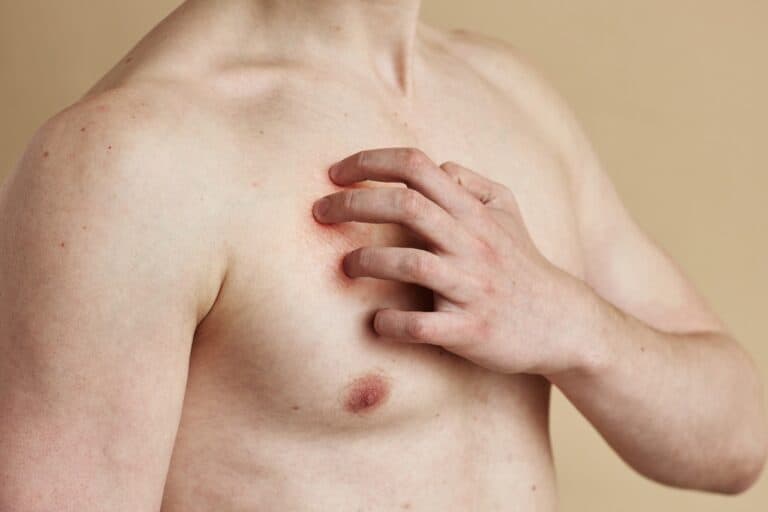
Most people first notice a firm, rubbery tissue under or around the nipple. This mass usually feels different from ordinary chest fat or muscle.
Breast tenderness, swelling, or slight pain may appear, especially during the development phase of gynecomastia. In rare cases, one side may become larger than the other.
Emotional and Social Effects
Feelings of embarrassment, frustration, or social withdrawal are very common. Many men become self-conscious about removing their shirts in public or during intimacy.
Open discussions with our surgeon or with trusted friends or support groups can make this aspect easier to manage.
When to Seek Professional Help
You should seek medical evaluation if you notice persistent pain, rapid enlargement, nipple discharge, or a hard, fixed lump on the chest. These signs can suggest other conditions that benefit from timely diagnosis.
Self-care works best as part of a plan that also includes professional support if symptoms do not improve.
Gynecomastia Self-Care Strategies
Many patients want to know the safest, most effective ways to address mild to moderate gynecomastia themselves. This section highlights several self-care approaches you may consider.
1. Lifestyle and Habits
Adjusting daily habits addresses many contributors to gynecomastia. Patients often find that even small changes can help them feel more in control.
- Balanced Diet: A diet rich in whole foods, fruits, vegetables, and lean proteins supports healthy hormone levels. Avoid processed foods and excessive sugar when possible.
- Regular Exercise: Incorporate both aerobic and resistance training, which manage body fat and support muscle tone. While exercise does not target breast tissue, it can improve overall chest appearance.
- Limiting Alcohol: Lowering or cutting out alcohol can help, as it affects the body’s hormone metabolism.
- Avoiding Recreational Drugs: Substances such as marijuana and anabolic steroids may contribute to gynecomastia and should be avoided if possible.
Our surgeon at the Palm Beach Gynecomastia Center encourages these changes for general well-being as well as symptom reduction.
2. Reviewing Medications
Patients should always talk to their prescribing physician before stopping or changing medications. Our doctor can review medications commonly linked with breast tissue growth and suggest alternatives if appropriate.
3. Weight Management
Excess weight can increase the appearance of enlarged breasts, especially when fat deposits mix with glandular tissue. Losing weight through a balanced diet and exercise may reduce the fatty component, which improves chest contour in some men.
4. Managing Underlying Health Issues
Untreated medical conditions like thyroid disorders or low testosterone can affect hormone balance. Addressing these may directly impact gynecomastia symptoms.
Self-care often means working with doctors to ensure all health concerns receive proper treatment.
At-Home Comfort Measures
Managing physical discomfort or minimizing visible chest changes at home usually requires a practical approach.
Clothing and Compression
Clothing choices can make a significant difference in comfort and confidence. Wear fitted undershirts, layering options, or special compression garments for men if you want to minimize the appearance of gynecomastia.
Many specialty stores offer compression undershirts designed to flatten the chest. Avoid clothing that draws unnecessary attention to the chest area, such as clingy fabrics or bold patterns over the chest.
Skin Care and Irritation Prevention
Moisturizing the skin on the chest reduces irritation and chafing, especially if swelling is present. Some men experience sensitivity around the nipple area. Gentle, fragrance-free products work best.
If you exercise regularly, shower promptly after activity, and change into dry clothes to prevent bacterial and fungal infections under the breast fold.
Pain Relief Options
For mild discomfort, over-the-counter pain relievers such as acetaminophen or ibuprofen can help. Never use any medication for more than directed, and speak with our physician if pain persists beyond a few days.

Dietary Support for Hormones
Nutrition plays a key role in maintaining the hormonal balance that impacts gynecomastia. Small, positive shifts can set the stage for improvement.
Nutrients to Prioritize
A healthy diet focused on whole, minimally processed foods reduces inflammation and supports your body’s natural hormone regulation. Good choices include:
- Lean proteins: Chicken, turkey, fish, and legumes help maintain muscle and metabolic health.
- Healthy fats: Sources such as olive oil, nuts, seeds, and avocado participate in hormone production without raising inflammatory risk.
- Colorful vegetables: Leafy greens, cruciferous vegetables, tomatoes, and peppers supply antioxidants, vitamins, and minerals.
- Whole grains: Brown rice, quinoa, and oats help stabilize blood sugar, which prevents insulin resistance.
Monitor portion sizes and limit added sugars. Processed foods, foods high in unhealthy fats, and excess dairy may worsen inflammation or aggravate hormonal imbalance in some men.
Hydration
Drink enough water each day to support metabolism and tissue health. Avoid excess sodas or sweetened beverages, which can spike blood sugar and interrupt hormone regulation.
Exercise and Physical Activity
Proper activity addresses multiple aspects of gynecomastia care, helping control weight, supporting heart health, and improving your confidence.
Building a Chest-Focused Fitness Routine
A multi-pronged exercise approach works best for most men, and the Palm Beach Gynecomastia Center team often recommends a mix of aerobic and resistance work.
- Cardiovascular exercise: Activities such as brisk walking, cycling, swimming, or jogging help lower overall body fat.
- Strength training: Focus on chest presses, push-ups, incline bench exercises, or chest flies to increase upper body definition.
- Consistency: Regular activity, at least 3 to 5 days per week, delivers the most reliable results over time.
While exercise alone cannot eliminate glandular breast tissue, many patients see improved chest contour and increased self-confidence when exercise is combined with other self-care practices.
Knowing the Limits of Self-Care
Self-care and lifestyle modification can provide meaningful symptom relief in many mild cases. However, not all types of gynecomastia respond to non-surgical approaches.
The following list highlights important clues that self-care may not provide enough improvement.
- Persistent Tissue: Firm, glandular tissue that remains unchanged or worsens despite consistent self-care, diet, and exercise.
- Significant Discomfort: Severe breast pain, swelling, or tenderness that disrupts everyday activities or sleep patterns.
- Rapid Changes: Sudden growth, new lumps, or unusual nipple discharge that raise concern for different conditions.
- Psychological Effects: Emotional distress, lowered self-esteem, or social withdrawal related to persistent chest changes.
If you notice these issues, our surgical team advises scheduling a medical evaluation for in-depth assessment and advanced options.
However, remember that having gynecomastia does not always require surgery. At our Palm Beach office, we support patients through every stage, ranging from conservative management to the latest gynecomastia surgical procedures.
Emotional Health and Support Resources
Gynecomastia affects more than physical health. Attending to emotional well-being is a vital aspect of holistic self-care.
Coping with Social and Emotional Changes
Feelings of embarrassment or frustration are common, especially in young men and teenagers experiencing body changes for the first time. Acknowledging these emotions and seeking open conversations with family or trusted healthcare providers can reduce anxiety and isolation.
Our doctor encourages patients to participate in support groups or online communities where possible. Many find it beneficial to share experiences and advice with others who are experiencing similar challenges.
Practical Strategies
Focus on activities that improve body confidence, such as physical activity, hobbies, or talents outside of physical appearance. Work on building self-image by reframing negative thoughts and celebrating small achievements in health or well-being.
Some patients choose to consult with a counselor or psychologist, who can provide tailored guidance through periods of emotional distress or low self-esteem.
Age-Related Gynecomastia Factors
Certain groups experience gynecomastia due to predictable hormonal shifts. Self-care approaches change depending on age and medical background.
Pubertal Gynecomastia
Adolescent boys may notice breast tissue growth during puberty. In most cases, this resolves naturally within 6 to 24 months without medical treatment. Encouraging a healthy lifestyle, balanced diet, and supportive environment is usually best.
However, if symptoms persist or cause significant distress, families should schedule an appointment at our clinic for professional evaluation.
Gynecomastia in Older Men
Natural testosterone reduction may trigger gradual breast enlargement in older men. Self-care remains valuable, especially when combined with management of chronic illnesses and medication review.
Never assume that breast changes “just happen with age.” Our doctor recommends regular check-ups and communication with your medical team to address any new symptoms promptly.
What Self-Care Can and Cannot Do
Many misconceptions surround gynecomastia self-care. Understanding what is true can help you avoid frustration and focus on proven strategies.
What Self-Care Can Achieve
Patients with mild, fatty gynecomastia often see an improvement in appearance with weight management, diet changes, and regular exercise. Reducing medications or substances associated with breast tissue growth sometimes reverses the process, especially in recent-onset cases.
Self-care can also minimize discomfort and help build healthy habits for the long term.
What Self-Care Cannot Fix
Persistent glandular gynecomastia does not respond to exercise or weight loss alone. While compression garments can temporarily mask appearance, only surgical removal can directly address dense, fibrous tissue.
There are no proven topical creams, supplements, or alternative therapies that reliably cure gynecomastia. Relying on “miracle cures” may waste time and create false hope.
Always seek professional advice from our clinical team for any persistent or severe symptoms.
Long-Term Success With Your Doctor
Self-care works best when done in partnership with your healthcare team. Our surgeon provides individualized guidance on medications, health conditions, fitness, and options for advanced care.
Open discussion about your history, lifestyle, and preferences allows for a tailored approach. At the Palm Beach Gynecomastia Center, we believe that ongoing communication builds trust and helps you achieve the most satisfying results.
When self-care works, our team celebrates those victories with you. When surgery or medical therapy is needed, we offer the safest, most up-to-date options for restoring your comfort and confidence.
Your Next Steps Toward Confidence
Gynecomastia self-care blends practical lifestyle changes, mindful symptom tracking, and a focus on overall well-being. By understanding the root causes and tailoring a daily routine that addresses diet, exercise, and medication factors, you place yourself in the best possible position to reduce symptoms.
Monitoring your progress at home and caring for your emotional health are just as important as addressing the physical changes. At the Palm Beach Gynecomastia Center, our team sees firsthand how small, consistent shifts can lead to real improvements over time.
If you have tried home strategies and want additional guidance or have symptoms that do not respond to self-care, consider reaching out to the Palm Beach Gynecomastia Center. Our surgeon is here to answer questions, review your options, and help you move forward with confidence in your appearance and your health.