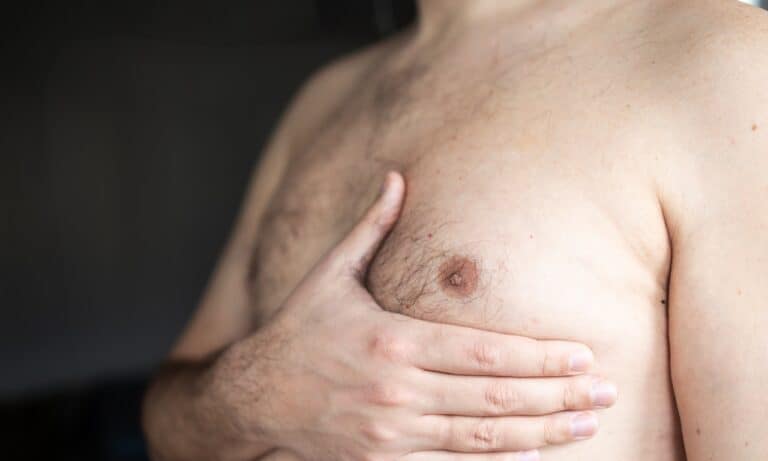
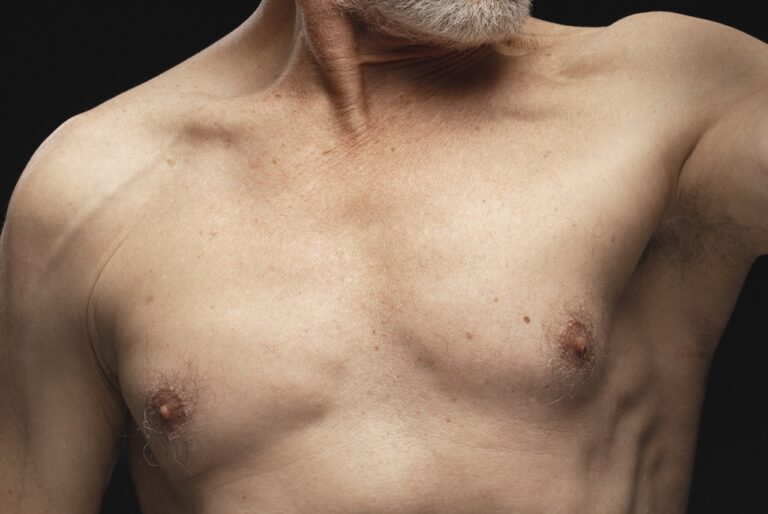
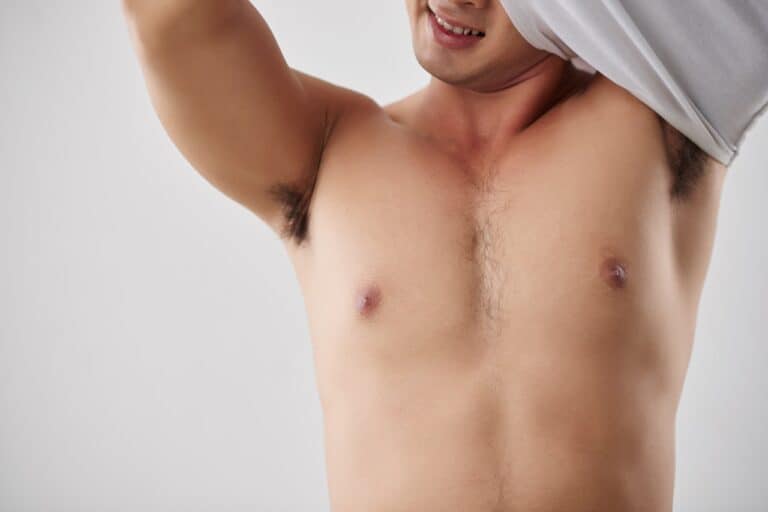
Gynecomastia can affect the way you feel about taking your shirt off at the beach or working out in the gym. Many men come to the Palm Beach Gynecomastia Center looking for answers about how chest training impacts their condition and what treatments can really help.
If you have noticed changes in your chest shape, you are not alone in seeking guidance. This article will walk you through the connection between gynecomastia and chest exercise, explain surgical and non-surgical options, and help you decide what steps might be right for you.
Key Takeaways
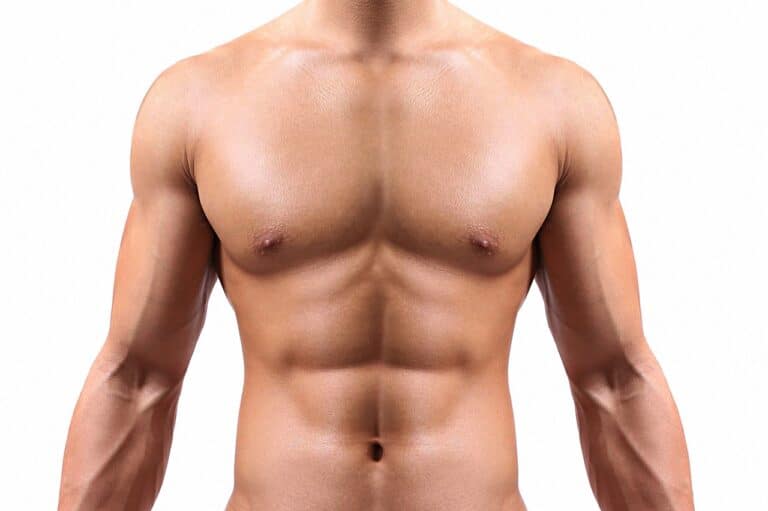
Gynecomastia versus Chest Fat: What You Need to Know
You might wonder why your chest looks fuller and if chest workouts will help. Gynecomastia and chest fat may appear similar, but they have distinctly different causes and treatment strategies.
How Gynecomastia Develops
Gynecomastia involves the growth of glandular breast tissue beneath the nipple. Hormonal changes, certain medications, or underlying health conditions can trigger this tissue to grow.
True gynecomastia feels like a firm, rubbery mass under the nipple area. It is not the same as regular body fat, which feels softer and moves more easily under your fingers.
Chest Fat and Pseudogynecomastia
Chest fat buildup is called pseudogynecomastia. This is simply excess fat stored in your chest and does not include extra breast gland tissue.
You might notice that weight loss can reduce chest fat, but it never removes glandular breast tissue. The difference in feel and cause leads to different approaches for treatment.
Comparing Symptoms of Gynecomastia and Chest Fat
Our surgeon looks for two main differences when examining a patient’s chest. If the tissue is firm and centrally located behind the nipple, it points to gynecomastia. If the tissue feels soft and spreads broadly across the chest, this is likely just extra fat, especially if you carry weight in other areas.
Accurate diagnosis allows our team to create a plan that matches your needs.
Causes and Risk Factors for Gynecomastia
Gynecomastia can develop for a range of reasons. While gynecomastia is common across different stages of life, you may see changes primarily at certain ages or in response to specific medications and health shifts.
Here are several common causes and risk factors for gynecomastia:
- Hormone Imbalances: Testosterone and estrogen shifts during puberty, aging, or due to health issues often trigger breast tissue growth.
- Medications: Some medications, such as certain psychiatric drugs, anabolic steroids, and medications for ulcers or heart disease, can cause gynecomastia as a side effect.
- Underlying Health Conditions: Chronic liver or kidney disease, thyroid issues, and tumors can disrupt hormone levels, leading to breast enlargement.
- Recreational Substances: Regular alcohol, marijuana, or amphetamine use may contribute to gynecomastia in some men.
- Natural Life Stages: Puberty and older age periods often come with natural hormonal changes that may result in temporary or persistent gynecomastia.
Each cause may call for a slightly different evaluation and treatment path. Our doctor considers all risk factors when diagnosing and planning care.
Can Chest Training Reduce Gynecomastia?
Many men hope that pectoral exercises will help flatten their chests or make gynecomastia less obvious. Chest training can build muscle and reduce chest fat but cannot remove glandular breast tissue once it has developed.
Why Chest Workouts May Not Solve Gynecomastia
Pectoral workouts, such as bench presses or push-ups, increase your muscle size and improve definition. However, glandular tissue will still remain over the muscle no matter how much you train.
Some men notice their gynecomastia looks more pronounced as their muscles grow, pushing the breast tissue outward. This often leads to more frustration and confusion.
For chests with only fat deposits, weight loss paired with chest training does help. However, if true gynecomastia is present, only surgery or medical treatments can remove the excess tissue.
When Chest Training Helps
Chest training still has real benefits for all men. Strong chest muscles support better posture, boost self-esteem, and may help clothing fit better.
You might also see a minor improvement in appearance if you combine consistent resistance training with fat loss. That said, the contour created by glandular tissue will not change much until you address it directly with specialized care.
Diagnosing Gynecomastia: What Happens at Your Consultation
If you notice persistent breast swelling or fullness, the next step is a medical evaluation. This will help identify true gynecomastia, chest fat, or another condition.
What to Expect During Your Visit
At our Palm Beach office, your first appointment starts with a detailed health history. Our doctor will ask about your symptoms, medications, and any hormone changes.
The next step is a physical exam. The surgeon feels along the chest to look for firm tissue directly beneath the nipples or elsewhere.
If the diagnosis remains unclear, our surgeon may suggest further evaluation. Imaging, such as an ultrasound, or blood testing for hormone levels helps ensure that the correct cause is identified.
Ruling Out Other Conditions
Some breast lumps or swelling come from cysts, infections, or, rarely, male breast cancer. Our team may recommend specific tests if anything looks unusual or does not fit typical gynecomastia patterns.
Correct diagnosis is vital, since it allows us to guide you toward the safest and most effective treatment option.

Treatment Options for Gynecomastia
Once our team confirms the cause and extent of gynecomastia, we will discuss the best treatment plan. Options include surgical, non-surgical, and lifestyle-based approaches depending on your unique needs.
Surgical Treatment: Male Breast Reduction
Male breast reduction is the gold standard for persistent, moderate to severe gynecomastia. The surgeon removes the excess glandular breast tissue, and sometimes excess fat, using small incisions around the areola or along the chest crease.
Recovery typically involves about 7 days off from most work or school. Full exercise and strenuous activity often resume after 4 weeks, and results are considered permanent.
Non-Surgical and Medical Approaches
For men with mild cases, or where hormone imbalance caused recent breast growth, medication or hormone therapy may work. Early intervention can occasionally reduce new or developing glandular tissue.
If medications or health conditions triggered your gynecomastia, our surgeon may coordinate with your other doctors about alternative treatments or adjusting current prescriptions.
In rare cases, weight loss and chest exercise improve the appearance of mild pseudogynecomastia, where fat is the main issue.
Key Points on Treatment Expectations
While exercise builds muscle, it cannot shrink glandular tissue. Choosing procedure options that minimize scarring from gynecomastia surgery helps ensure a natural contour, short recovery, and long-lasting confidence.
What Happens During and After Male Breast Reduction Surgery
Our Palm Beach surgical team uses advanced techniques for male breast reduction, focusing on both wellness and aesthetics.
Steps Involved in Surgery
You receive anesthesia to keep you relaxed and comfortable during the procedure. The surgeon makes a small incision at the lower edge of the areola or the chest crease.
Next, our surgeon removes the glandular tissue and, if necessary, any extra fat by gentle liposuction. The goal is to match your natural chest contour and prevent any remaining puffiness or imbalance.
After careful shaping of the chest, the incisions close with dissolving stitches, and a light bandage or support garment is placed.
Recovery and Aftercare
You can return home the same day with detailed written care instructions. Most men return to desk work and non-strenuous activities after 7 days, while high-intensity exercise usually waits for a full 4 weeks.
Bruising and swelling decline each week, and final results appear within several months. Our surgical team schedules regular check-ins after surgery to ensure you heal comfortably and stay on track for a great outcome.
Risks, Benefits, and Common Questions
Male breast reduction and other gynecomastia treatments come with their own risks and rewards. Our doctor will discuss these thoroughly at your visit, but here are the basics.
Benefits of Male Breast Reduction
Male breast reduction creates a flatter, more masculine chest. This can restore comfort, especially in tight shirts or at the pool. Most men feel more confident and satisfied with their body after healing.
Improvements in posture, exercise comfort, and clothing choices are also common. You may find social and intimate situations much less stressful.
Risks and Possible Complications
All surgery comes with risks. The most common issues are mild swelling, bruising, and soreness after the procedure. Scarring is usually minimal, and the surgical incisions are hidden at the lower edge of the areola or along the chest crease.
Rare complications include infection, fluid collection, or uneven results. Our team at the Palm Beach Gynecomastia Center uses careful technique and thorough follow-up to keep your risks as low as possible.
Frequently Asked Questions
Many patients share similar concerns when exploring their options. The answers below cover several common questions you might have.
- Will chest workouts flatten my gynecomastia? Chest workouts build muscle but do not reduce glandular tissue. Only surgery or medication can do that.
- Does weight loss help at all? Weight loss helps reduce chest fat. True gynecomastia tissue will remain unless treated directly.
- Can gynecomastia return after surgery? Recurrence is rare when the tissue is fully removed. Preventing future hormone shifts and following your care plan minimize your risks.
- How visible will my scars be? Our surgical team places scars at the edge of the areola or chest crease, making them fade and blend over time.
Lifestyle Tips for Men With Gynecomastia
You can take action at home to help manage your appearance, ease discomfort, and support your treatment results.
Daily Strategies to Improve Your Chest Shape
Simple lifestyle steps can support your goal of a leaner chest and boost your success after surgery or non-surgical treatment.
- Eat a balanced, nutrient-rich diet: Staying at a healthy weight reduces chest fat. Focus on lean proteins, whole grains, fruits, and vegetables.
- Exercise regularly: Cardiovascular exercise and resistance training help with body fat loss and can improve pectoral muscle tone.
- Avoid medications or substances known to trigger gynecomastia: Ask our doctor to review your current prescriptions, and avoid recreational drugs or excessive alcohol.
- Wear fitted and supportive clothing: The right shirts and undergarments can make your chest look flatter and help you feel comfortable in any setting.
Consistent self-care combined with professional guidance leads to the best physical and emotional results.

Regaining Confidence and Comfort With Your Chest
Gynecomastia can be distressing and frustrating when chest workouts and weight loss do not solve the issue. Real solutions begin with an accurate diagnosis and a thoughtful, personalized treatment plan.
Whether your concerns come from glandular tissue, chest fat, or another cause, the Palm Beach Gynecomastia Center offers clear answers and supportive care. Our doctor will listen to your goals and work with you to select the best path forward.
You deserve a chest that reflects your hard work and helps you feel confident in every part of your life. Reach out today to schedule a private consultation with our team and take the first step toward lasting comfort and self-assurance.