Gynecomastia can feel overwhelming and confusing when it starts to disrupt your confidence and quality of life. At the Palm Beach Gynecomastia Center, we see many patients who feel frustrated by severe cases that do not improve with non-surgical options.
You might have learned that not all gynecomastia is the same. Severe forms, such as grade 3 and grade 4, often need a different approach and more advanced care. Our team can help you understand what defines these grades and the steps that lead to a flatter, more comfortable chest.
Key Takeaways

What Sets Severe Gynecomastia Apart
Your gynecomastia diagnosis depends on how much tissue has grown and how the skin has stretched. Grades 3 and 4 represent the most advanced changes seen in this condition.
Defining the Severity of Grades
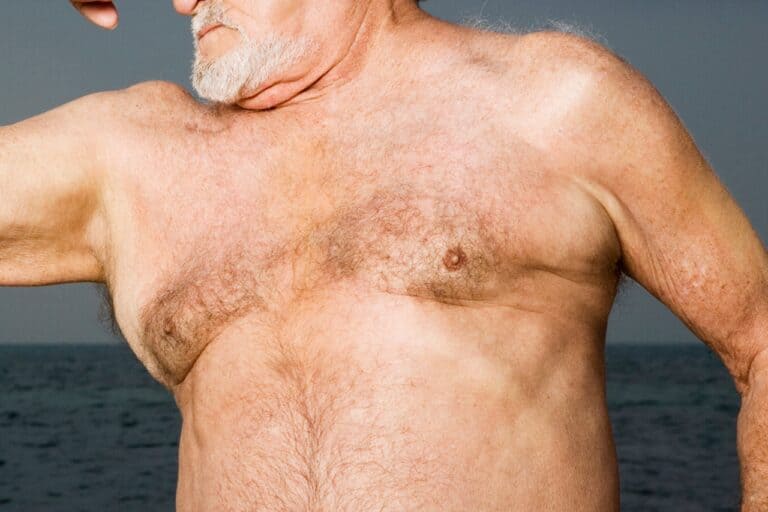
Doctors classify gynecomastia using four grades, with grade 3 and grade 4 being the most severe forms. At these stages, the bulk of the breast tissue and increased skin stretching create a feminine appearance, which causes significant self-consciousness. Grade 3 gynecomastia involves moderate or significant breast enlargement with loose, hanging skin, while grade 4 adds even more drooping and a nipple position far below the chest fold.
Key Features of Grade 3 and Grade 4 Gynecomastia
- Prominent Breast Enlargement: A rounded or projecting shape that extends beyond the chest wall.
- Skin Laxity: Excess skin folds or creases, especially when standing.
- Nipple Displacement: Nipples that point downward or fall below the chest crease.
- Emotional Impact: Embarrassment or distress due to the visible appearance.
- Physical Symptoms: Tenderness or discomfort that makes certain activities or clothing choices difficult.
Your grade determines which treatments are likely to work best and affects how your results may look after surgery.
What Causes Severe Gynecomastia?
You might wonder why some people develop only mild swelling while others end up with sagging and stretched skin.
Factors That Lead to Grade 3 and Grade 4 Gynecomastia
Several reasons can cause gynecomastia to progress into these severe grades:
- Hormonal Imbalance: An imbalance between estrogen and testosterone often leads to gland growth, which can worsen over time if not addressed.
- Prolonged Gland Stimulation: Certain medications, drugs, or health issues make the breast gland more sensitive, causing ongoing tissue development.
- Genetics: Family history increases the risk for severe gynecomastia, regardless of lifestyle or health changes.
- Obesity: Being overweight causes gynecomastia as accumulated breast fat and glandular growth expand, stretching the skin over time as the tissue builds up.
- Age-Related Changes: Skin loses firmness with age, which makes any existing gynecomastia look worse.
- Medical Conditions: Chronic diseases like liver disorders or certain tumors affect hormone processing, which results in persistent breast tissue.
Each cause may play a different role in how grade 3 or grade 4 gynecomastia develops. A careful medical review at our office helps us find the underlying trigger, which shapes your best treatment plan.
How to Identify If You Have Severe Gynecomastia
You do not need advanced medical knowledge to spot the signs of severe gynecomastia. Our surgeon at the Palm Beach Gynecomastia Center uses several markers to help you know where you fit on the scale.
Physical Signs to Watch For
Patients with grade 3 or 4 gynecomastia almost always notice obvious, physical changes to their chest:
- The breasts look large, rounded, and can droop below the chest fold.
- Excess skin creates wrinkles or an overhanging effect.
- The nipples may point downward or rest below the lower edge of the breast.
- Stretched skin sometimes leads to irritation or skin problems under the breast fold.
- The chest feels heavy, tender, or sometimes painful in this area.
You may also notice a major difference between the left and right sides, although both can be affected.
How Our Surgeon Diagnoses Your Grade
To confirm your diagnosis, our doctor will:
- Examine your chest both standing and lying flat to see how tissue volume and skin folds change.
- Measure the nipple height, as its location shows how much the tissue has shifted over time.
- Check for gland firmness and fat distribution, which influence which surgery method will work best.
- Ask about your health history, substance use, and gynecomastia symptoms during puberty or those that developed later in adulthood, to better understand your condition.
Clear communication with your doctor helps create a surgical plan that fully addresses your needs.
How Severe Gynecomastia Impacts Your Life
Beyond the visible changes, grade 3 and 4 gynecomastia affects daily life in ways people often do not expect. Many men find that the emotional burden can be just as tough as the physical side effects.
Emotional and Social Challenges
Living with severe gynecomastia often results in strong feelings about your body and confidence level. Some patients avoid swimming, physical activity, or going shirtless, while others may hesitate to pursue romantic relationships. Emotional strain may contribute to low self-esteem, frustration, and tension in social circles.
Effects on Physical Activity and Comfort
Large amounts of tissue and skin not only cause cosmetic changes but also affect daily comfort. You may feel soreness or skin irritation, especially while exercising or wearing certain clothes. Many patients report limiting their movement or having difficulty finding shirts that fit comfortably.
You do not need to accept these limitations. Treatment can address both the appearance and the challenges of severe gynecomastia.
Surgical Solutions for Grade 3 and 4 Gynecomastia
Surgery offers patients with severe gynecomastia the best chance for long-term satisfaction. At our Palm Beach office, we use advanced methods for male breast reduction designed specifically for grades 3 and 4.
Differences Between Surgery for Mild vs Severe Gynecomastia
Unlike mild cases that may only need liposuction, severe gynecomastia requires both gland removal and reshaping of the chest skin. Grade 3 and 4 cases also need special attention to skin excess and nipple position.
Main Surgical Techniques in Grade 3 and 4 Cases
Not every patient has the same needs. Our surgeon may use several techniques to correct your chest:
- Excision of Gland Tissue: The surgeon removes all dense gland and fatty tissue by making a small incision around the areola or under the chest fold.
- Skin Removal (Mastopexy): For stretched or sagging skin, our team removes hanging tissue and tightens the leftover skin over the chest muscle.
- Nipple Repositioning: The surgeon moves the nipple higher on the chest to a more natural point, which creates a balanced, masculine look.
- Liposuction: Removing extra fat can refine the chest contour and smooth out uneven areas.
We combine these steps into one procedure whenever possible to shorten your recovery and give you a flatter, firmer result.
What to Expect Before, During, and After Surgery
Patients with severe gynecomastia find preparation, surgery, and recovery more demanding than those with milder forms. Our care team provides step-by-step support through every part of this process.
Steps Before Surgery
Preparation allows you to get the best possible outcome. You will:
- Attend a consultation to review your health, goals, and any concerns.
- Get instructions about medicines, smoking, and eating before surgery.
- Complete lab work or a physical exam to be sure surgery is safe for you.
- Ask our team about realistic expectations and how to plan your schedule.
Family support and clear advice from our medical staff help reduce anxiety and improve your experience.
The Day of Surgery
Surgery for grade 3 and 4 gynecomastia takes longer than standard procedures due to the extra tissue and skin involved. You will have anesthesia for comfort, and most surgeries last between two and four hours. Our surgeon marks your chest and uses precise techniques to avoid visible gynecomastia surgery scars as much as possible.
After surgery, you will go home the same day with a soft compression vest and detailed instructions.
Recovery Timeline and Stages
Healing happens in a few stages. In the first week, you should rest and limit strenuous activity so swelling will decrease faster. Most patients return to office work or light activity after two weeks. Lifting or chest exercises must wait for at least four to six weeks.
Final results begin to appear after one to two months, as swelling and bruising fade. The chest gains firmness and better contour over two to three months. Our team offers advice and checkups throughout, making sure you heal properly.
Common Risks and How We Manage Them
All surgery carries a degree of risk, especially in more severe cases where more tissue is removed or repositioned. Our surgeon carefully explains every step to minimize these risks and keep you safe.
Top Surgical Risks
Let us review the main risks with this surgery:
- Bleeding: There is a small chance of bleeding right after surgery.
- Infection: The risk of infection exists but stays low with careful wound care.
- Scarring: Larger incisions may leave scars, but these usually fade, and our surgeon uses careful placement to hide them.
- Loss of Sensation: Some loss of nipple or skin feeling can occur, which often improves over time.
- Asymmetry: The final result may have small shape or size differences, but these seldom require more surgery.
- Skin Irregularity: Extra care must be taken with skin removal to avoid unevenness or creasing.
- Seroma: Sometimes fluid collects under the skin. Our team watches for this and drains it if needed.
A close relationship between you and your surgeon lowers these risks and allows for fast intervention if any issues appear.
Long-Term Outcomes
When you follow care instructions, severe gynecomastia surgery provides lasting improvements in chest shape and comfort. Scars fade over 6 to 12 months, and patients often return to activities with renewed confidence.
What Makes a Good Candidate for Severe Gynecomastia Surgery?
Surgical success depends on several patient factors. Our surgeon meets with you in person to decide if you qualify and how to tailor the approach to your needs.
Candidate Checklist
You might be a good candidate for gynecomastia surgery if:
- Breast size and skin laxity remain stable for at least 12 months
- You do not smoke, or you are willing to quit three weeks before and after surgery
- Your health is stable, and you do not have uncontrolled chronic illness
- You have realistic expectations and want change for personal, not outside, reasons
- Your weight is close to a healthy goal
If major health concerns or ongoing gland stimulation remain, our team will help you address these before proceeding.
Life After Severe Gynecomastia Surgery: Results and Maintenance
Once recovery is complete, you can expect a chest that looks flatter and more strongly contoured. This reshaping brings both cosmetic and mental relief.
What Physical Results to Expect
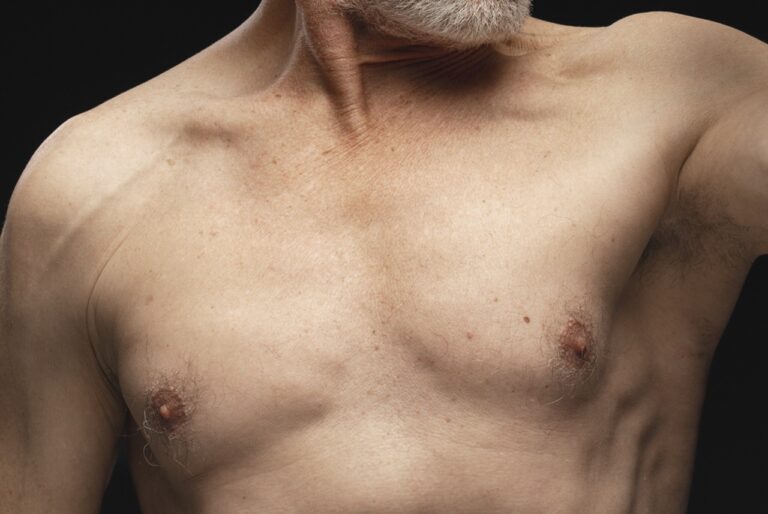
Your chest will appear much flatter, and clothing will fit more easily. Skin wrinkles and downward-pointing nipples usually improve, with only light scarring. Many patients report that their self-esteem and social comfort rise dramatically after healing.
How to Maintain Your Results
To make your results last, it helps to:
- Keep your weight stable through regular exercise and a balanced diet.
- Avoid anabolic steroids or medications that can restart tissue growth.
- Follow all aftercare instructions from your medical team to protect healing skin and minimize scars.
Ongoing follow-up visits help our surgeon track your progress and catch any rare complications before they become significant.
The Next Step Toward a More Comfortable Chest
Grade 3 and grade 4 gynecomastia can disrupt your life and self-confidence over many years. Surgery offers real benefits when other treatments fall short, but advanced cases need a skilled, personalized approach. Our team at the Palm Beach Gynecomastia Center works closely with each patient to choose the right procedures and support you from your first consultation through your final results.
Patients who seek treatment for severe gynecomastia often find greater body comfort and renewed self-worth as they heal. Surgery gives you the chance to wear any clothes you want, stay active without fear, and feel at ease in your own skin.
If you are ready to learn more or want a personalized surgical plan, contact the Palm Beach Gynecomastia Center today to schedule your private consultation. Our dedicated staff will answer all your questions and guide you toward safe, satisfying results.