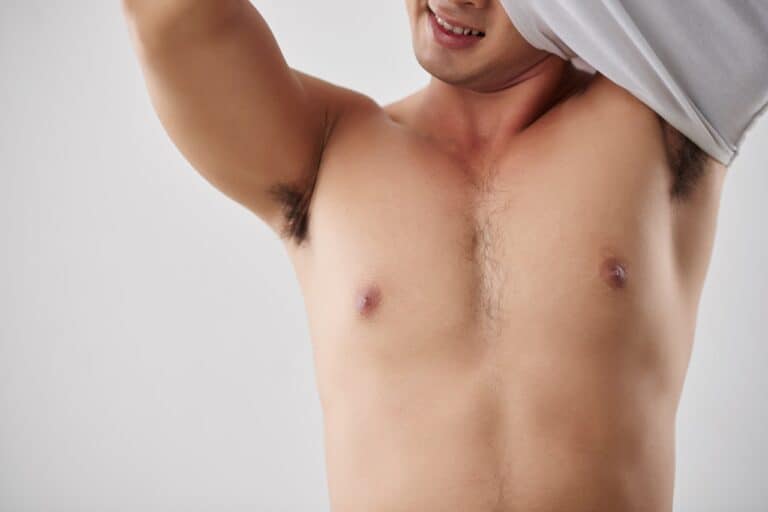
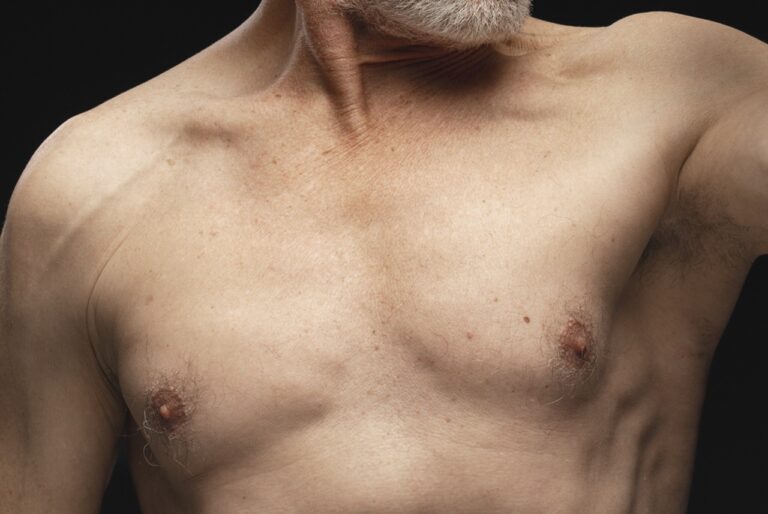
Gynecomastia does far more than cause physical changes to the chest. For many men, it touches key aspects of your well-being, including confidence, daily comfort, and even the way you hold yourself. At the Palm Beach Gynecomastia Center, we see firsthand just how much this condition can affect both body image and posture throughout every stage of life.
If you or someone close to you deals with gynecomastia, you might notice subtle or even significant changes in your posture. These changes can affect not only your physical comfort but also your self-confidence during work, social events, or intimate moments. Let our team explain the connection between gynecomastia and posture, what you need to know, and how targeted care can help.
Key Takeaways

How Gynecomastia Changes Body Mechanics
Gynecomastia does not only affect the way your chest looks. It also has real effects on the way you stand, move, and engage your muscles throughout the day.
A change in chest volume and weight, whether from gland or fat buildup, can force your body to adapt in unexpected ways. The changes do not stop at the surface. Posture and comfort may shift as your muscles and joints compensate for breast tissue where it does not normally develop.
The Link Between Chest Shape and Posture
Your chest sits at the front of your torso, influencing balance naturally. When extra tissue grows on the chest in gynecomastia, the mechanics of balance shift.
Many men reflexively round their shoulders or hunch forward. This often happens to hide the chest or to relieve the weight. This position can pull the head down, causing strain along the neck and upper back.
Over time, these posture adjustments may weaken or unbalance the muscles along the upper back (including the trapezius and rhomboids). The more you slouch, the more your body adapts, and the cycle can become difficult to break without help.
Musculoskeletal Effects to Watch For
The body’s musculoskeletal system does its best to adapt, but changes from gynecomastia can create new challenges:
- The pectoral muscles may become underused, and the upper back muscles overworked
- Neck pain or shoulder discomfort may develop from poor posture
- Reduced chest expansion can restrict breathing capacity in severe cases
It helps to recognize these effects early, so you can address them before they become persistent problems.
Emotional and Psychological Effects on Confidence
Gynecomastia can have a deep emotional impact. You might find yourself avoiding certain activities, clothing, or places because you feel uncomfortable with your appearance.
A changed posture often reflects not just physical adjustments but self-consciousness as well. Many men report crossing their arms in public, slouching, or avoiding situations where their chest might be noticed.
Self-Image and Social Anxiety
Men and boys facing gynecomastia often:
- Overthink how their chest appears in t-shirts or at the beach
- Worry about being judged or teased by others
- Withdraw from sports, swimming, or gym classes to avoid attention
These concerns can add to a feeling of social isolation and loss of confidence. Posture might become a shield from unwanted attention, but it can reinforce a negative body image over time.
Confidence Through Change
Our surgeon at the Palm Beach Gynecomastia Center believes that when you feel comfortable in your body, your posture and confidence often improve together. For some men, steps like wearing looser shirts or improving physical fitness can help. For others, surgical options provide the lasting change needed for full comfort.
Everyone’s journey is individual, and positive changes can come from even small adjustments to both body and mindset.
Main Causes of Postural Issues in Gynecomastia
A few main factors cause postural changes in men with gynecomastia. Each factor can affect comfort and body mechanics in a different way.
Here are the most common causes of postural effects seen in our patients:
- Added Chest Weight: Extra gland and fat tissue at the front of the chest shifts the physical balance of the upper body. This change encourages a forward-slumping posture and can strain back and shoulder muscles.
- Conscious Body Hiding: Men often try to hide their chest by slouching or keeping arms tightly in front, which leads to long-term postural habits. These habits may continue even when alone.
- Muscle Weakness or Imbalance: Underuse of chest and back muscles, along with changes in upper body movement, can create muscle groups that work harder than intended. This leads to fatigue, pain, or weakness, especially in the back and shoulders.
Addressing these causes directly will not only relieve physical strain but also support better confidence over time.
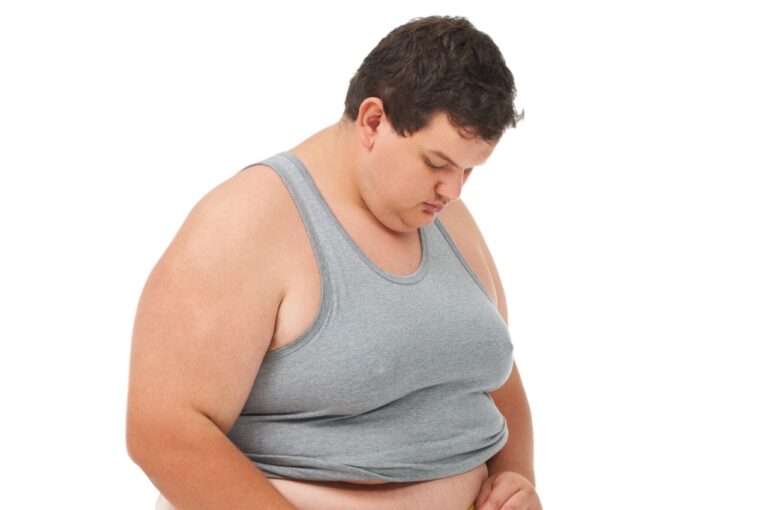
Signs and Symptoms of Postural Changes
Subtle signs in your posture can reveal the impact of gynecomastia, even before pain develops. You may notice a few of these common symptoms in daily life.
Visual Clues in Stance and Movement
Men and teens with gynecomastia tend to:
- Let their shoulders round or cave inward
- Hold their arms across their chest, especially in group settings
- Tilt their head slightly forward to draw attention away from the chest
- Avoid standing fully upright, which makes the chest less prominent
Physical Discomfort and Functional Issues
Some patients tell us about new discomforts that slowly develop:
- Back, neck, or shoulder aches that do not resolve easily
- Tiredness after even short periods of standing or sitting upright
- Occasional shortness of breath, especially if posture limits chest expansion
- Stiffness after sleep or long periods at a desk
We encourage you not to ignore these changes, especially as they may get worse without support or correction.
Health Effects of Poor Posture Over Time
Poor posture, when left unaddressed, can create more than everyday discomfort. Long-term effects may become harder to reverse, especially as you age.
While gynecomastia itself does not directly cause major health problems, the resulting posture habits can put extra strain on joints, muscles, and even nerves.
Chronic Pain and Reduced Mobility
Muscle and joint pain can worsen with time. The back, neck, and shoulders may hurt more frequently or intensely as posture deteriorates. Some men even experience headaches, tingling, or numbness along the arms and hands if nerves become compressed.
Tight chest muscles and weak back muscles make it more difficult to correct posture without help. Daily movements including work, exercise, or driving may become less comfortable, which can reduce your activity level and worsen the problem.
Breathing and Circulatory Issues
Some men with severe forward posture may notice shallow breathing or a feeling of restricted chest expansion. Less air reaches your lungs when your torso is compressed. This can cause tiredness and, in rare cases, impact heart and lung health if the poor posture remains for many years.
It helps to catch and address these effects early, which can restore both health and quality of life.
Non-Surgical Approaches for Improving Posture
Not every case of gynecomastia or poor posture needs surgery right away. Many people ask about non-surgical ways to relieve gynecomastia and improve posture.
Here are some strategies our team usually recommends as a first step.
Exercise and Strengthening Routines
A well-designed exercise plan can help restore muscle balance and confidence. Many of our patients benefit from:
- Upper Back Strengthening: Moves like rows or reverse flys build the muscles that stabilize your scapula and help open up your chest.
- Postural Awareness Drills: Exercises that remind you to pull your head up and shoulders back can gradually reset your natural stance.
- Core Support: A strong core reduces slouching and helps anchor the upper body.
Gentle stretching for the chest and neck can add extra relief. When exploring the relationship between gynecomastia and exercise, these habit changes work best when you commit to consistency, as improvement often comes slowly but steadily over time.
Lifestyle and Daily Habits
Small adjustments in routine can provide real relief. Our surgeon recommends:
- Changing up your desk or workstation so your spine can stay upright
- Checking your posture frequently in mirrors or with supportive friends
- Choosing jackets, polos, or shirts that help you feel more comfortable in public, which reduces the urge to slouch
Although these changes cannot remove breast tissue, they go a long way toward reducing daily discomfort and improving confidence.
When Posture Therapy May Help
Some patients benefit from working with a physical therapist or posture coach. These professionals provide hands-on feedback and guided routines tailored to your specific postural needs. This level of individualized care gives some patients the encouragement and accountability needed for real change.
Non-surgical support has its limits, but many people find some gynecomastia relief and confidence with these steps.
How Gynecomastia Surgery Improves Posture and Confidence
For men with moderate or severe gynecomastia, surgery can create the most dramatic improvements not only in chest appearance but also in comfort and self-image. At the Palm Beach Gynecomastia Center, our surgeon tailors each procedure to your body, goals, and lifestyle.
What to Expect from Surgery
Gynecomastia surgery usually involves removing excess gland or fat from the chest and shaping a flatter, firmer contour. The procedure takes place in a safe, comfortable setting, and most patients return home the same day.
Many men find that standing up straight and moving freely becomes easier within days or weeks. With the extra weight gone, natural posture returns, and there is less reason to slouch or cover up.
Confidence After Surgical Care
Improved chest shape often leads to significant changes in daily life. Men share stories about feeling more secure in fitted shirts or at the gym. Simple actions like swimming, team sports, or even dating feel easier with restored confidence.
In the hands of our surgical team, the results are both aesthetic and functional. Posture, comfort, and self-assurance can all benefit. A smoother recovery and positive outlook come from clear communication with our practice before and after surgery.
How to Decide If Surgery or Non-Surgical Support Is Best
Choosing the best pathway for your body depends on many factors. At our Palm Beach office, we discuss these options with you in depth.
You may find that exercise, better habits, or posture therapy alone provides enough relief. Others need surgery to achieve lasting change. Our goal is to help you weigh the benefits and recovery process, so you make a decision that fits your own needs.
You will also want to consider factors like cost, time away from work, and personal comfort. Our doctor can answer your questions about outcomes, risks, and timelines for any approach you choose.
No matter your decision, it helps to take action early. Addressing gynecomastia and posture issues promptly leads to better results and helps protect your health in the long run.
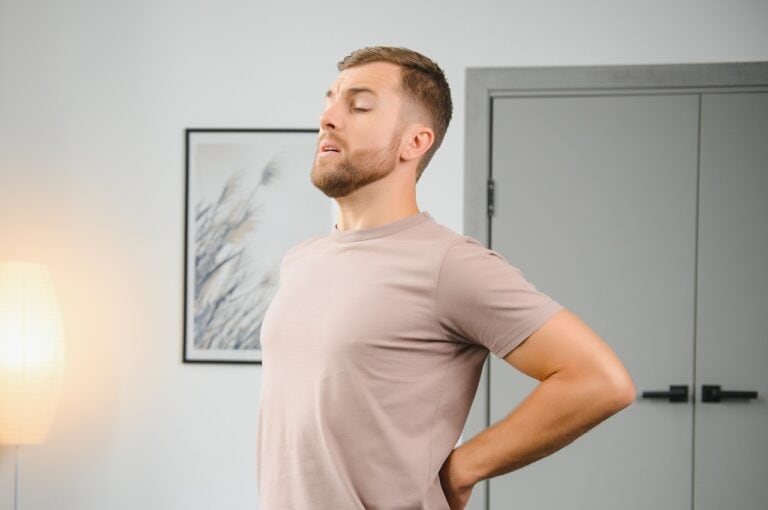
Move Toward Better Posture, Comfort, and Confidence
Gynecomastia affects far more than just your appearance. As many of our patients discover, the changes in posture can create physical discomfort and undermine confidence in almost every aspect of life. The good news is that solutions exist for both the body and mind.
Addressing posture through exercise, supportive habits, or professional guidance can help you feel and function better. For those searching for more lasting change, gynecomastia surgery provides a way to restore both physical comfort and self-image.
Our team at the Palm Beach Gynecomastia Center stands ready to support your journey at every step. If you want to improve posture, confidence, or overall health, reach out to schedule a private consultation. You can regain an open, comfortable stance and renewed assurance in your day-to-day life.